
Same failures, different decade: white paper calls for new tactics to prevent grantmaking mistakes
Posted on 03 Aug 2026
A decade of Australian auditor-general reports shows grantmakers and decision makers repeatedly…
Posted on 17 Jun 2025
By Matthew Schulz, journalist, SmartyGrants

Philanthropic giving – including grants to environmental organisations – has hit a new high but still represents a tiny fraction of what’s needed to address climate change.
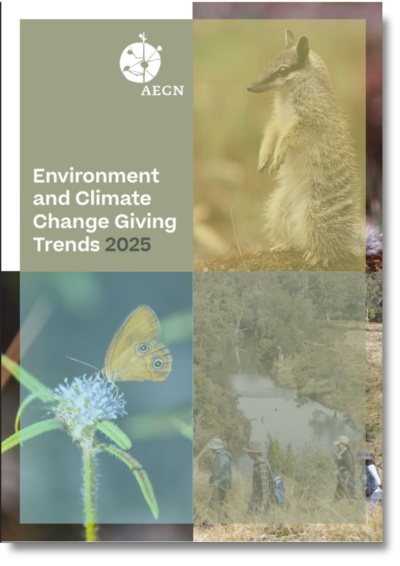
According to the Giving Trends 2025 report by the Australian Environmental Grantmakers Network (AEGN), the group’s more than 200 members gave $247 million to environmental and climate causes in the 2023–24 financial year, up from $138 million in 2022.
This is a major share of the $300 million given to environmental charities, according to data from the Australian Charities and Not-for-profits Commission (ACNC). However, it represents just 2 per cent of the total $14 billion given to all charities across Australia.
The AEGN says philanthropy must make a much greater investment in climate change adaptation, and that between now and 2035, developing countries will require $5 trillion for climate adaptation measures. On current trajectories, little more than one quarter of that is likely to be available.
AEGN chief executive Claire O’Rourke said Australia was leading the way in environmental giving, but more effort was needed.
“The top 10 hottest years on record have occurred in the last decade. At the same time, the planet faces a dangerous decline in nature, with over one million species threatened with extinction, soils becoming infertile and water sources running dry,” she says in the report.

“The interconnected impacts of a changing climate and the collapse of natural systems touch nearly every aspect of human society.
O’Rourke said environmentally minded philanthropists had a big role to play in addressing the problems, and while nearly one third of the AEGN’s members had increased giving to environmental causes, more effort was needed.
“In the face of escalating climate disasters and biodiversity loss, philanthropy has the opportunity to meet the scale and urgency of these crises, forging a path toward a more just, sustainable and resilient future.”
According to the report, the AEGN’s members prioritised clean energy, nature conservation and supporting a sustainable economy in 2023–24, and contributed $83 million to core funding and capacity building. About 12% of member funding supported First Nations climate or nature initiatives.
“In the face of escalating climate disasters and biodiversity loss, philanthropy has the opportunity to meet the scale and urgency of these crises, forging a path toward a more just, sustainable and resilient future.”
AEGN figures show environmental giving by public ancillary funds (PuAFs) dropped significantly after a one-off surge in spending linked to the 2019–20 Black Summer bushfires.
That summer saw a $33 million spike in spending on relief and recovery efforts, which had plummeted to just $4 million at the last count.
O’Rourke said the dip in giving may reflect the tail end of post-Black Summer funding and strategic “spend-down” behaviour by major philanthropists.
The AEGN’s giving trends report should be read in conjunction with another one of its publications, The Economics of Giving: The case for climate philanthropy.
It stresses the value of long-term, flexible funding, which could enable organisations to sustain long-term efforts and act more quickly to make an impact.
It argues funders should give more boldly, fund core operations and multi-year work, support flexible funding, back rapid responses, increase the trust of those “on the ground” and collaborate better.
Generosity key to saving the planet: report
AEGN reports: Giving Trends 2025 | The Economics of Giving: The case for climate philanthropy | AEGN podcast
Posted on 03 Aug 2026
A decade of Australian auditor-general reports shows grantmakers and decision makers repeatedly…

Posted on 25 Jun 2026
Australia distributes an estimated $125 billion in grants annually, but grantmaking, unlike…
Posted on 25 Jun 2026
The federal government's Community Sector Grants Engagement Framework is "on track," the Department…
Posted on 25 Jun 2026
Australia’s grants administration system has centralised bureaucracy instead of expertise, creating…

Posted on 25 Jun 2026
Nine in 10 Australian social impact measurement practitioners are now using AI in their work, but…

Posted on 24 Jun 2026
More than 300 of Australia’s top social impact professionals and leaders will gather in Sydney on…

Posted on 03 Jun 2026
A new report has found that ongoing financial, workforce and governance pressures mean the…

Posted on 20 May 2026
The Australian National Audit Office (ANAO) has released a new report in its Audit Lessons series,…
Posted on 20 May 2026
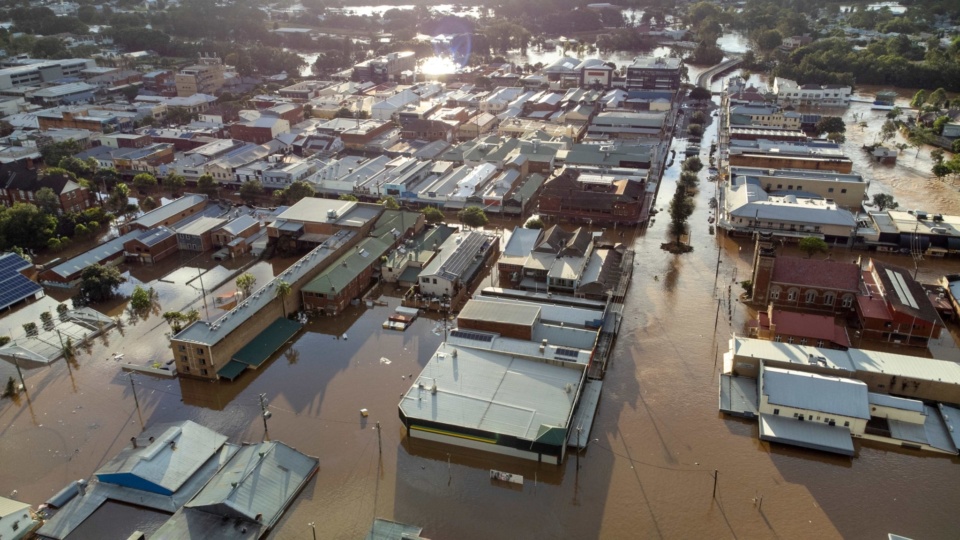
The NSW government's administration of a flood recovery grants program has largely met requirements…
Posted on 07 May 2026
A Tasmanian parliamentary inquiry has heard new evidence that the state's Department of Health has…

Posted on 07 May 2026
A fast-growing region of New Zealand – home to the world’s best adventure tourism, awe-inspiring…

Posted on 07 May 2026
Organisers of Blak Loungeroom, a historic Indigenous-led philanthropy conference held in Melbourne…