
Same failures, different decade: white paper calls for new tactics to prevent grantmaking mistakes
Posted on 03 Aug 2026
A decade of Australian auditor-general reports shows grantmakers and decision makers repeatedly…
Posted on 06 Mar 2025
By By Matthew Schulz, journalist, SmartyGrants

Australia’s biggest philanthropic foundation has committed $2.1 million to improving outcomes measurement.
The Paul Ramsay Foundation confirmed the funding for seven charities supporting children, young people, families and disadvantaged groups.
Each charity will receive $300,000 over three years through the foundation’s Experimental Evaluation program, designed to support robust evaluations, high quality evidence and an exploration of evaluation methodologies. The program is being run with the support of the Australian Centre for Evaluation.
The program has the support of Charities Minister Andrew Leigh, a strong advocate for the “gold standard” of evidence provided by randomised control trials (RCTs).
Currently only 1.5 per cent of evaluations in educational policy and other government programs use RCTs, but Dr Leigh last year urged policy makers to employ them more often.
“I think it's always worth asking the question, can we do a randomised trial, and if not, why not?" Leigh told Grants Management Intelligence last year.
The foundation’s funding will support evaluations for:
“These evaluations will contribute to the evidence base that will help shape future investment in social impact programs, not only benefiting the organisations themselves but also providing knowledge for the broader for-purpose sector.”
The programs were chosen through an open grant round, with the aim of demonstrating that “robust evaluations can be conducted within a relatively short time frame and with modest budgets”.
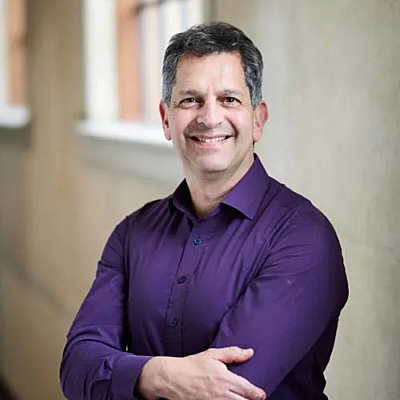
Dr George Argyrous, the Paul Ramsay Foundation’s head of measurement, evaluation, research and learning, said the funding aimed to “deepen the understanding and experience of evaluation techniques in Australia to better measure and create social impact”.
“These evaluations will contribute to the evidence base that will help shape future investment in social impact programs, not only benefiting the organisations themselves but also providing knowledge for the broader for-purpose sector.”
Dr Leigh welcomed the funding: “In medicine, randomised trials have helped patients live longer and healthier lives. Bringing that same rigour to social policy evaluation helps us find out what works, and for whom.”
He said the government was a proud partner in the work to “deliver social impact at scale.”
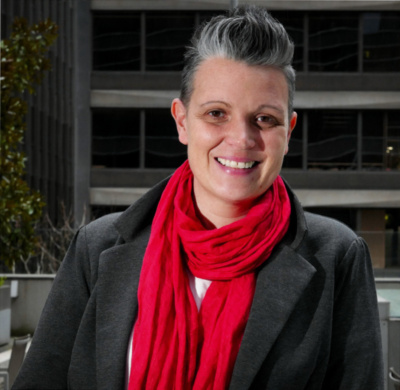
SmartyGrants chief impact officer Jen Riley described the funding as a “significant step in advancing impact measurement in Australia”.
However, she raised concerns about the limited time frames and budgets, warning that more resources may be needed for “high-quality evaluation”.
“While the three-year timeline is reasonable, many complex social interventions require longer follow-ups to capture sustained impact. Acknowledging this could help set realistic expectations,” she said.
Riley also suggested that while RCTs were a useful tool, they were “not always the most appropriate, ethical, or practical approach for every social intervention”.
She believed making the funding available only to RCTs may have excluded high-impact programs better suited to alternative evaluation methods, such as realist evaluation, developmental evaluation, or participatory approaches.
Riley hoped that future funding rounds would support “a broader range of rigorous evaluation methodologies”, allowing programs to use the most appropriate tools for their context.
These could include participatory and community-led evaluation processes, which had the potential to empower Indigenous and marginalised communities.
In the meantime, she said, evaluators and impact measurement practitioners would keenly await the findings of the studies.
Riley has previously reflected on the minister’s push for scientific rigour, suggesting that an improved evaluation culture would generate greater insights that simply hunting for “better data”.
Posted on 03 Aug 2026
A decade of Australian auditor-general reports shows grantmakers and decision makers repeatedly…
Posted on 25 Jun 2026
Australia distributes an estimated $125 billion in grants annually, but grantmaking, unlike…
Posted on 25 Jun 2026
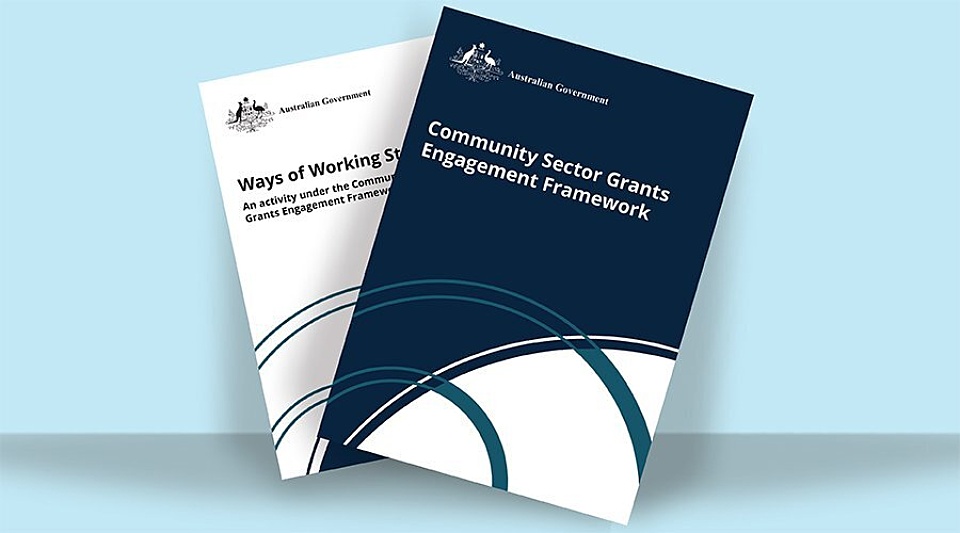
The federal government's Community Sector Grants Engagement Framework is "on track," the Department…
Posted on 25 Jun 2026
Australia’s grants administration system has centralised bureaucracy instead of expertise, creating…

Posted on 25 Jun 2026
Nine in 10 Australian social impact measurement practitioners are now using AI in their work, but…

Posted on 24 Jun 2026
More than 300 of Australia’s top social impact professionals and leaders will gather in Sydney on…

Posted on 03 Jun 2026
A new report has found that ongoing financial, workforce and governance pressures mean the…

Posted on 20 May 2026
The Australian National Audit Office (ANAO) has released a new report in its Audit Lessons series,…
Posted on 20 May 2026
The NSW government's administration of a flood recovery grants program has largely met requirements…
Posted on 07 May 2026
A Tasmanian parliamentary inquiry has heard new evidence that the state's Department of Health has…

Posted on 07 May 2026
A fast-growing region of New Zealand – home to the world’s best adventure tourism, awe-inspiring…
Posted on 07 May 2026
Organisers of Blak Loungeroom, a historic Indigenous-led philanthropy conference held in Melbourne…