
Same failures, different decade: white paper calls for new tactics to prevent grantmaking mistakes
Posted on 03 Aug 2026
A decade of Australian auditor-general reports shows grantmakers and decision makers repeatedly…
Posted on 06 Mar 2025
By Matthew Schulz, journalist, SmartyGrants

With a federal election around the corner, grant watchers will be keeping a close eye on potential pork barrelling, given the recent history of controversies and investigations.
In October 2024, in the wake of a spate of damning inquiries about past grants programs, the Australian government released sweeping changes to federal rules.
The new Commonwealth Grants Rules and Principles (CGRPs) set out the requirements for ethical and effective federal grantmaking, with a specific focus on ministers and other decision-makers.
Yet, with the ink still drying on those new rules, accusations have begun that the major parties are already butchering the hogs.
“In short, rorts scandals keep happening because governments believe that channelling money to marginal and government electorates will win them elections.”
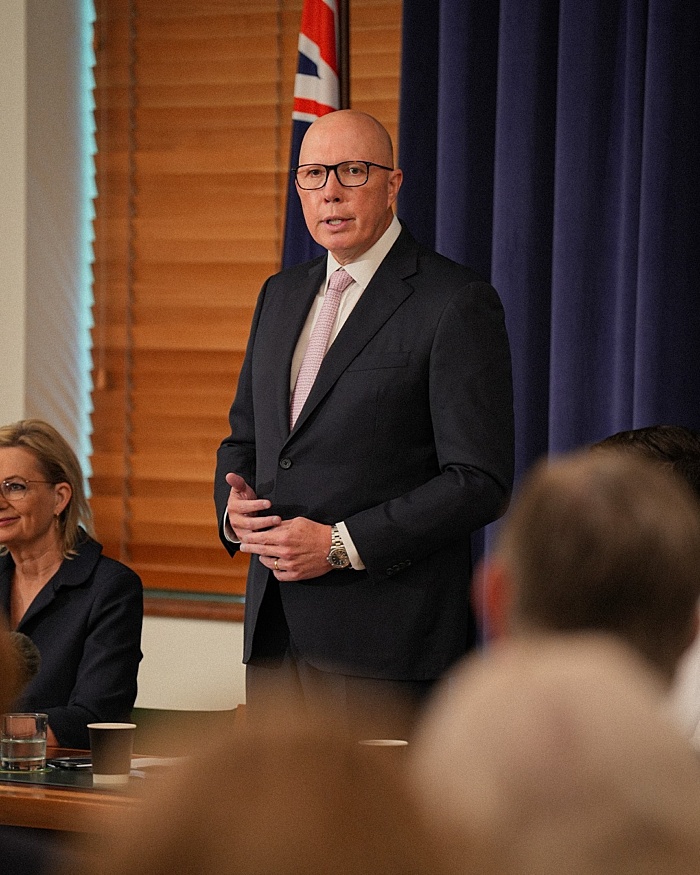
The latest claim came from Opposition Leader Peter Dutton, who said there was "no question" the government was pork-barrelling to win votes in relation to Prime Minister Anthony Albanese’s promise to spend $650 million on creating urgent care clinics.
"There's no question that Labor's pork-barrelling. Have a look at the map as to where these clinics have gone," he said.
“We need more detail on the decision-making process that the government’s entered into, and we need to make sure that taxpayers’ money is being spent effectively.”
But Health Minister Mark Butler described Dutton’s claims as a “beat up”, explaining that many of the clinics were small facilities in the NT and ACT where the Coalition had no seats.
“If you strip aside those anomalies, about half of the clinics that have been selected by us, through our program, outside the territories are Labor-held seats, and half are non-Labor-held seats.”

Monash University’s Yee-Fui Ng, in a commentary on “grey corruption” published this month in The Conversation, argued that there remained “significant loopholes” in the new grant rules.
She cited the car park rorts, in which 77% of commuter car parks built as a result of a 2019 election promise were built in electorates then held by the Coalition.
She said those funds were not covered by Commonwealth rules, as the money was channelled through the states.
And she said that ministers and government officials did not face sanctions for breaches.
“To fix the system, we need to reform the rules about grants allocation and close the loopholes. We also need to impose punishment for breaching the rules,” she said.
Associate Professor Ng said that her research had shown that pork barrelling “is an intractable problem across multiple governments over many decades”. She said the same issue appeared in different forms depending on the electoral system, but that Australia’s single member parliamentary system made it more susceptible to pork barrelling than countries in which multiple members represented an electorate.
“In short, rorts scandals keep happening because governments believe that channelling money to marginal and government electorates will win them elections.”
Ng’s observations come at the end of the so-called “sports rorts” affair in 2019, in which then sports minister Bridget McKenzie distributed $100 million across 684 grants.
The federal grants watchdog, the Australian National Audit Office (ANAO), found that the sports rorts funds were “not informed by an appropriate assessment process and sound advice” and that the winning applications weren’t those considered to have the highest merit.
Earlier this year, former senator and “transparency warrior” Rex Patrick succeeded in obtaining a letter of advice from former attorney general Christian Porter about McKenzie’s authority in the matter.
According to a Guardian Australia report, the Freedom of Information request took five years, cost the government $400,000 in legal fees and passed through the hands of four attorneys-general.

In short, the letter (which can be seen here) states that McKenzie did have the authority to administer the funds, but Patrick told the Guardian: “The whole saga has been an improper assault on government transparency and accountability, and a disgraceful waste of taxpayers’ money.”
Constitutional law expert Anne Twomey, who earlier this year examined the legal implications of the case in an extended video commentary, suggested the problem was one in which ministers believed they could act without legal limits, and where public servants were silenced.
“The principle of the rule of law which underlies the Constitution is that everyone must obey the law including ministers.”
“This whole sorry saga comes down to a political culture where ministers believe that they should have the power to do whatever they want and any public servant who tells them otherwise is regarded as obstructionist and removed.”
Posted on 03 Aug 2026
A decade of Australian auditor-general reports shows grantmakers and decision makers repeatedly…

Posted on 25 Jun 2026
Australia distributes an estimated $125 billion in grants annually, but grantmaking, unlike…
Posted on 25 Jun 2026
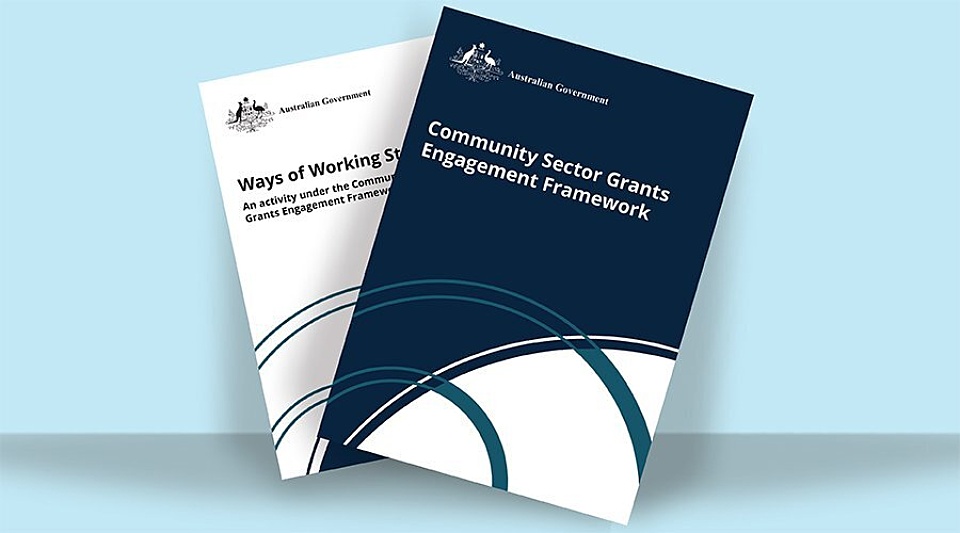
The federal government's Community Sector Grants Engagement Framework is "on track," the Department…
Posted on 25 Jun 2026
Australia’s grants administration system has centralised bureaucracy instead of expertise, creating…

Posted on 25 Jun 2026
Nine in 10 Australian social impact measurement practitioners are now using AI in their work, but…

Posted on 24 Jun 2026
More than 300 of Australia’s top social impact professionals and leaders will gather in Sydney on…

Posted on 03 Jun 2026
A new report has found that ongoing financial, workforce and governance pressures mean the…

Posted on 20 May 2026
The Australian National Audit Office (ANAO) has released a new report in its Audit Lessons series,…

Posted on 20 May 2026
The NSW government's administration of a flood recovery grants program has largely met requirements…
Posted on 07 May 2026
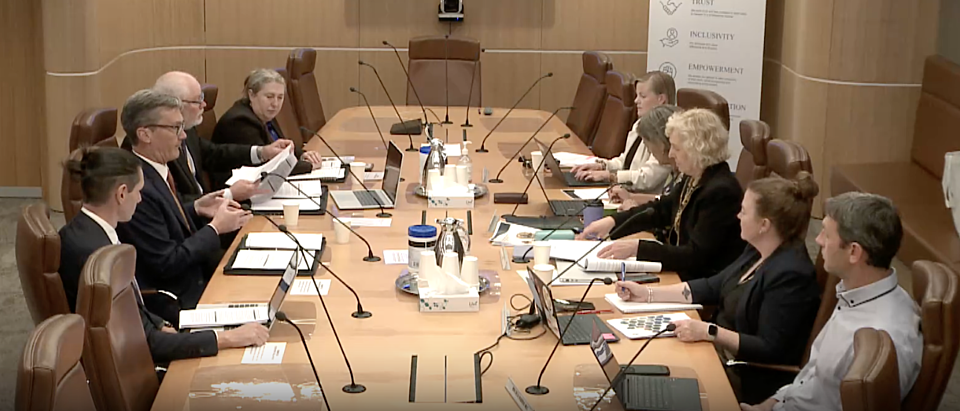
A Tasmanian parliamentary inquiry has heard new evidence that the state's Department of Health has…

Posted on 07 May 2026
A fast-growing region of New Zealand – home to the world’s best adventure tourism, awe-inspiring…
Posted on 07 May 2026
Organisers of Blak Loungeroom, a historic Indigenous-led philanthropy conference held in Melbourne…